News from a few film buff friends of mine in Australia of two good documentaries viewed at Melbourne Film Festival.
Our Daily Bread is a film that enters the lurid world of industrial food production and high-tech farming. Not for the faint-hearted apparently, as about a third of the audience walked out. Bound to send ripples through the industry once it gets released at the London Film Festival this September.

View Our Daily Bread website here
Workingman's Death explores heavy manual labour in the 21st century - down illegal mines in the Ukraine, among the sulfur workers in Indonesia, with lions at a slaughterhouse in Nigeria, ship breaking yards in Pakistan, and Chinese steel workers.
Looks like amazing cinematography.
View Workingman's Death website here
Our Daily Bread is a film that enters the lurid world of industrial food production and high-tech farming. Not for the faint-hearted apparently, as about a third of the audience walked out. Bound to send ripples through the industry once it gets released at the London Film Festival this September.
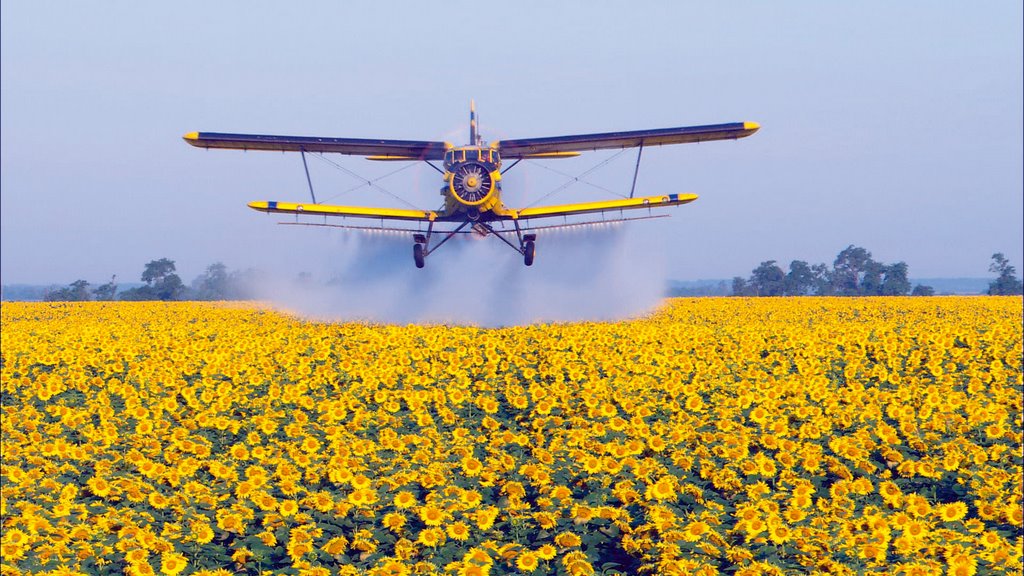
View Our Daily Bread website here
Workingman's Death explores heavy manual labour in the 21st century - down illegal mines in the Ukraine, among the sulfur workers in Indonesia, with lions at a slaughterhouse in Nigeria, ship breaking yards in Pakistan, and Chinese steel workers.
Looks like amazing cinematography.
View Workingman's Death website here
Comments
Workingman's Death is really an incredible film. Apart from the amazing photography, it is the way the documentary maker interacts with the subjects. I was worried it might be exploitative or voyeuristic, but its clear that the people being interviewed have been well briefed and know exactly what the film is about. How people live and struggle against adversity is an important theme. It also raises some really interesting questions about whether the 'industrial age' has really ended - maybe its just hidden from view... Will